

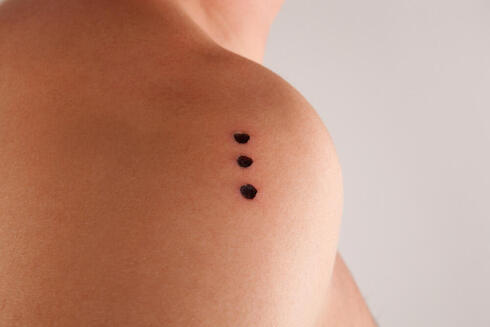
What are we doing today, kids? Smearing frog venom onto exposed skin, feeling like we are on the brink of death for several minutes, sweating, swelling, getting dizzy, our heart racing, and finally vomiting into a bucket. And oh, how worth it it will be. In a normal world, no sane person would voluntarily do what was just described, unless they were a committed masochist. But wait. There is something to it, or mitigating circumstances, if you will.
For several years now, something in my body has not been functioning properly. Various unexplained skin problems, with no diagnosis and no real solution. After countless visits to different doctors, an impressive list of tests, and a desperate search for answers in alternative medicine, I nearly gave up. Then, suddenly, the word ‘Kambo’ was dropped into the conversation. What? Kambo? Yes, Kambo. A fairly legitimate ritual, and even legal, who knew, that comes from the centuries-old traditions of Indigenous tribes in the Amazon. A ritual many people describe with glassy eyes as something that changed their lives. And maybe, just maybe, what works for tribal warriors could work for me too. Honestly, what did I have to lose? I allowed myself to make a bold decision.
7 View gallery
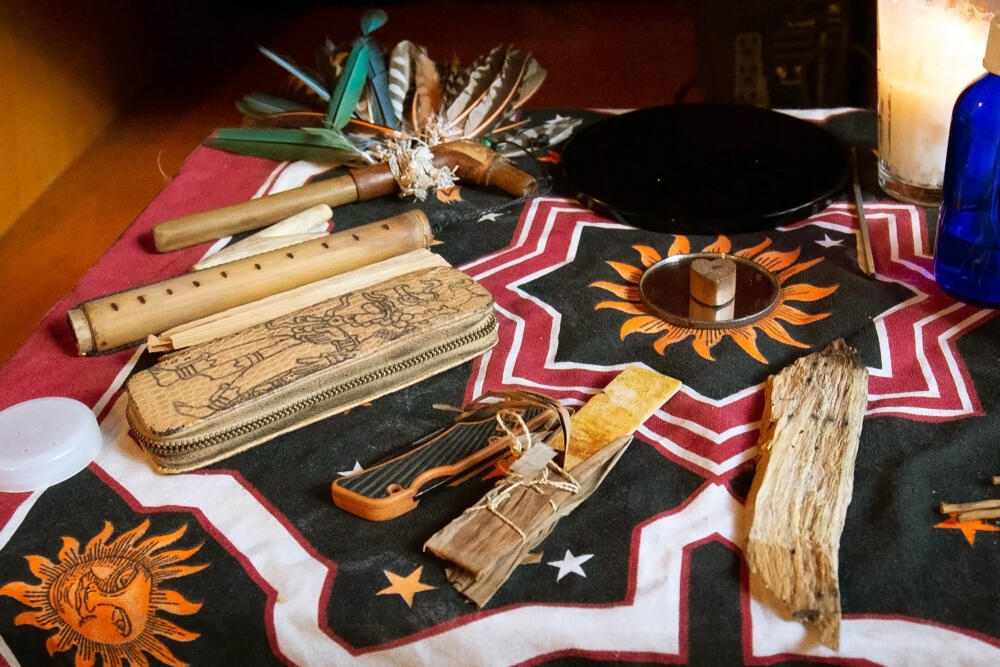
Tools for the Kambo ritual
(Photo: Shutterstock)
Before long, I found myself one morning heading to a town north of Tel Aviv whose name rhymes in Hebrew with ‘ana.’ I had not eaten anything since morning, as instructed. ‘Here,’ the shaman who was about to initiate me said, placing a full jug of water on a heavy wooden table in a fruit-filled yard just after I arrived. ‘You need to drink all of this before the ceremony. And after you finish, drink more.’ I obeyed, swallowing liter after liter. It would serve my body in the difficult moments that were just around the corner.
The moment arrived. I was led into a small room, took off my shirt and sat on a couch. The shaman lit a palo santo stick. As a sweet, smoky scent filled the room, he began chanting in Peruvian Spanish. Then came the moment I had feared. He took a small wooden stick, lit it, approached me and burned a small dot on my right shoulder. Honestly? It did not hurt that much. He then peeled off the blister, exposing the flesh, and placed a small amount of an unidentified substance on it. That was it. There was no turning back.
My heart immediately jumped. Boom, boom, boom. It pounded like a drum inside my body. I could swear something was swelling and blocking my throat, but that quickly became irrelevant. I began sweating and panting uncontrollably. My body had identified an intruder and mobilized every system to expel it, without mercy. As I wondered what I had done to myself, a massive wave of heat washed over me. My nose started running. My head spun. My heavy breathing blended into the music and the shaman’s chants. ‘Get down on the floor,’ he murmured calmly, smiling as he continued chanting, business as usual.
7 View gallery
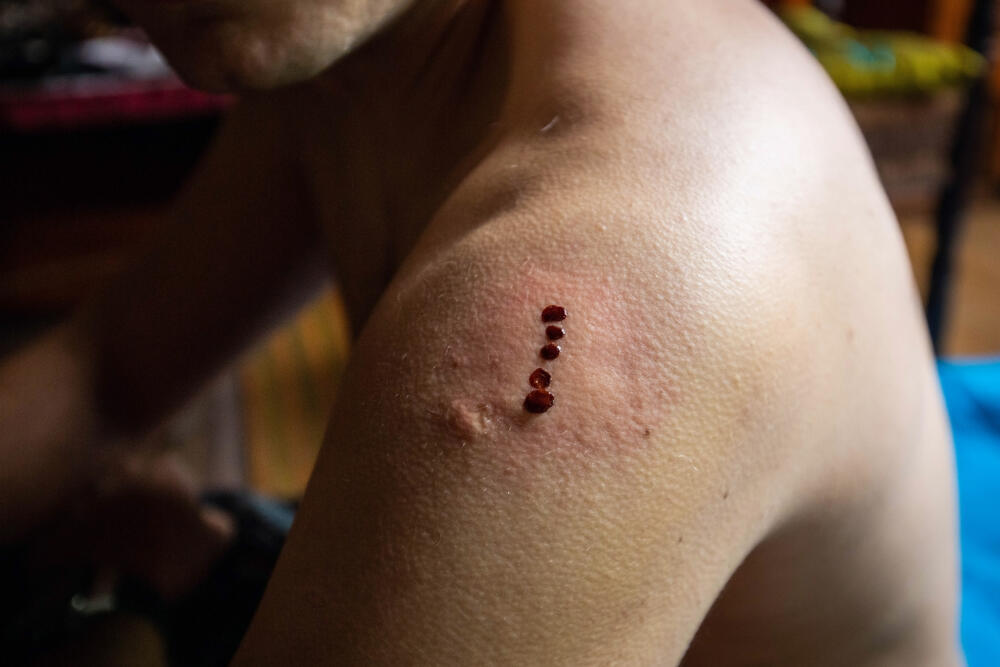
The burn marks left on the skin after the ritual
(Photo: Shutterstock)
I slid off the couch onto the floor. Sweat poured off me and soaked into the rug. Then came the nausea. I tried to resist. It was pointless. Soon enough, I vomited my soul into a bucket prepared in advance. And then came release. And calm. The shaman left the room. I lay on the rug for several minutes, letting my body regulate its breathing. Slowly, a welcome sense of peace wrapped around me. On the train ride home, I felt oddly energized, as if I had not just consumed frog venom minutes earlier. A dark spot was already forming on my shoulder, soon to be joined by others over the coming month. What can I say? Masochist. We said it already.
If you told someone in the Western world a century ago that in the 21st century people would pay hundreds of shekels to smear frog mucus onto burn wounds and vomit into buckets, they would probably laugh in your face. But in an era when the body has become a testing ground for health trends, and the term ‘biohacking’ is no longer taboo, the ancient Amazonian Kambo ritual has become a method of healing. Healing from what? That depends on whom you ask. Some call it detoxification. Others talk about healing trauma or releasing emotional blockages. And some simply look for something that will shake the system, because nothing else worked. Like me.
‘Kambo is a treatment from the world of alternative medicine, using the venom of a frog called Kambo, native to South America, to treat people,’ says Nir Greenberg, a Kambo practitioner. ‘Generally, a person arrives with an intention. To improve something, to remove something that interferes, or to create a process that does not yet exist and activate it. It is a form of cleansing, but far more than that.’
The ritual, Greenberg explains, is based on centuries-old South American traditions. ‘Indigenous tribes in the jungles of South America use frog venom for treatments. There, the use was driven by energetic needs, such as stopping pregnancies or preparing for hunting. Hunters would do Kambo before entering the forest because it reduced body odor. These uses barely exist in Western culture, so it is easy for us to miss the essence of it.’ Beyond that, he describes it as a tool for deep inner work.
7 View gallery
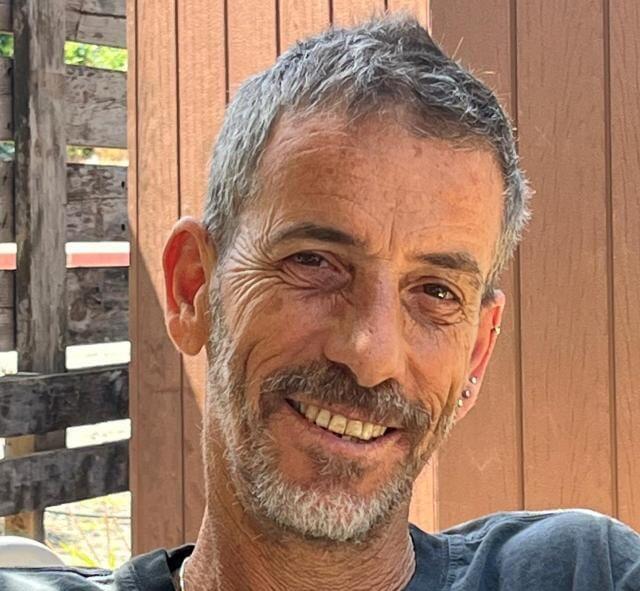
Nir Greenberg
(Photo: Private album)
‘A person can get stuck in a kind of loop, a negative karmic process. In South American terms, it is called panema. Kambo, as they see it, helps break that cycle and start something new.’
Who is it for?
‘People who come to me come from a very wide range,’ Greenberg says. ‘There are people with physical problems, digestive issues, immune system issues, skin diseases like psoriasis or atopic dermatitis, and people with psychosomatic conditions involving both body and mind. It is very individual, but from experience, many people report significant relief.’
Can you give an example?
‘Sure. Take psoriasis, for instance. It is a difficult condition treated in conventional medicine with steroids. These creams are not always good for the body long-term. I have patients who say that after Kambo, they no longer need the cream, or their use drops significantly. The disease does not disappear, but there is relief. And remember, the cream does not solve the problem either.’ He also describes a case involving a former soldier. ‘A young man was referred to me by a military mental health officer. He had post-traumatic stress disorder and was being sent back to reserve duty in Gaza. The officer who released him told him to do two things: psychological therapy and Kambo. He came to me, went through three treatments, and said it helped him a lot.’
Is it dangerous?
‘I am very careful with what I say. I do not claim it helps everyone or replaces medical treatment. But I can say with certainty that it does not cause harm. It does not worsen the problem, and there is a chance it will help.’
Before applying venom and breaking into sweat, there are preparations. This is not a ritual you simply walk into. It requires intention, prior cleansing and sometimes screening. Not everyone is suitable, and not every intention is accepted. Greenberg emphasizes responsibility, both on the practitioner’s side and the participant’s. ‘I always ask why a person is coming.
7 View gallery
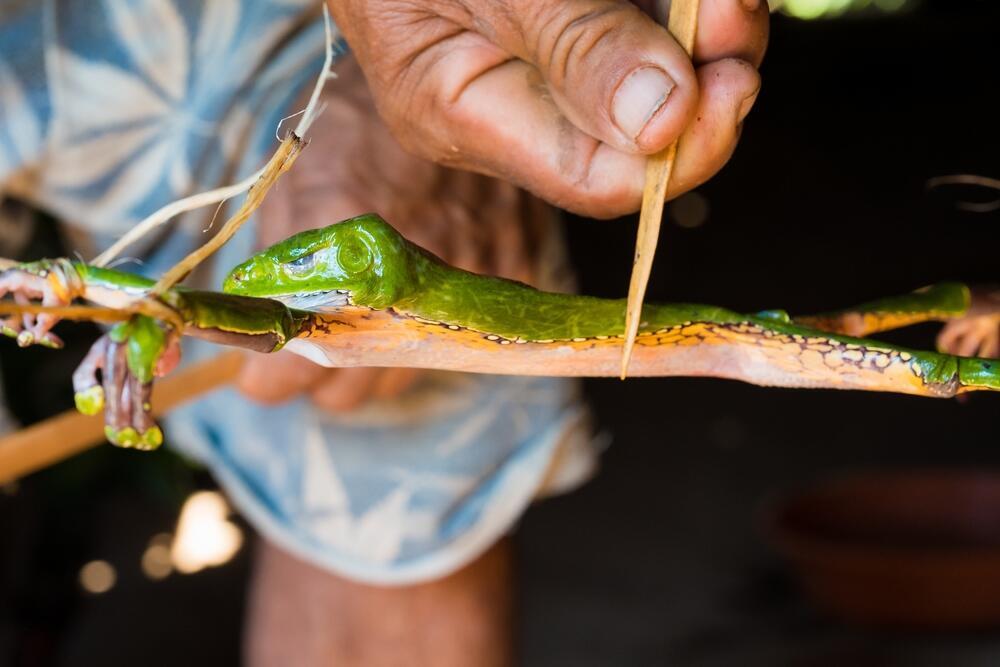
Scraping the toxin applied to the skin
(Photo: Shutterstock)
Once I met a woman who wanted the treatment because she liked the scars it leaves and wanted many marks. That is the wrong intention.’ Medical aspects are also carefully examined. ‘Anyone with high blood pressure, heart conditions, digestive disorders, or women who are pregnant should not undergo Kambo,’ he says. Those who are cleared are instructed to prepare with a three-day diet of unprocessed foods, avoiding alcohol, drugs and sex, and to fast for three hours before the ceremony, while drinking water. Kambo affects three main systems, Greenberg explains: the immune system, the lymphatic system and the digestive system. Vomiting is a natural part of the process, which is why drinking water beforehand is essential.
Once the venom touches the skin, the reaction begins quickly. ‘Usually there is a feeling of heat rising from the pelvis to the head,’ Greenberg says. ‘Lymph nodes may swell, people sweat, tear up, hiccup, produce mucus, and of course, vomit. This is not a side effect. It is part of the process.’ The entire experience lasts about 20 minutes, followed by a recovery period. ‘People often feel exhausted, then slowly return to themselves,’ he says. Greenberg insists the reactions he has seen over thousands of applications fall within a known range, from very mild to extremely intense, but without unusual extreme cases.
7 View gallery
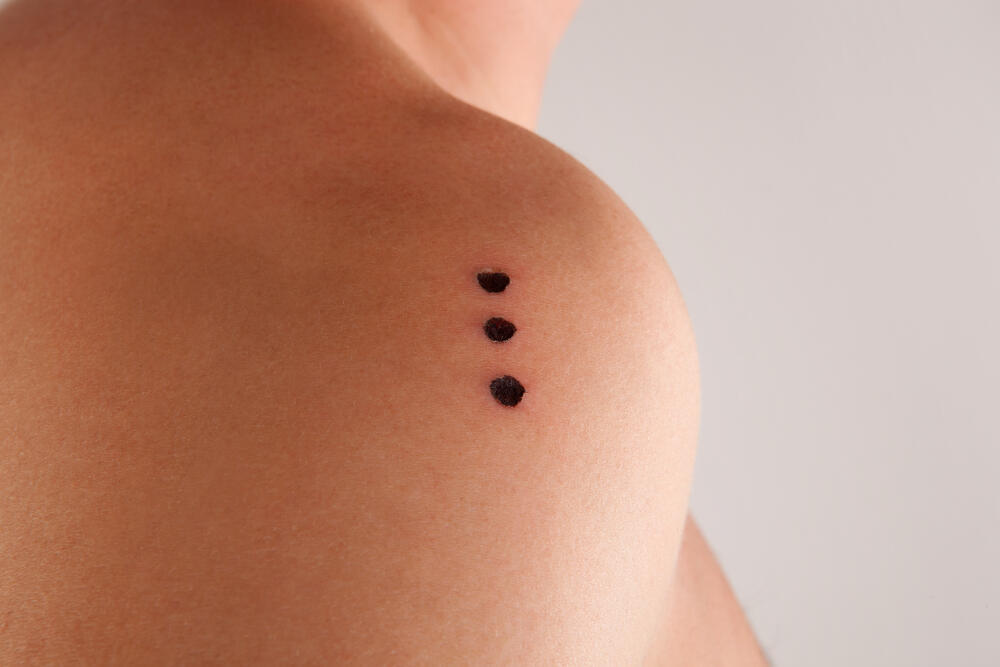
The burn marks left on the skin after the ritual
(Photo: Shutterstock)
What does science say?
‘Western science is still exploring it,’ Greenberg says. ‘What we do know is that Kambo contains more than 200 peptides, unique amino acids that affect the body in different ways. Most are still unidentified by science. At least nine pharmaceutical patents have already been filed based on substances extracted from Kambo.’
And legally?
‘Absolutely legal. Kambo is not psychoactive, and there is no legal issue with it in Israel.’
Dr. Inbal Kadman, a family medicine specialist at Maccabi Healthcare Services, offers a more cautious perspective. ‘There is no formal regulation or legal definition of Kambo in most countries, which is why conventional medicine does not know how to prepare for it,’ she says. ‘We cannot measure venom concentration in the blood. We do know the venom causes blood vessel constriction, rapid heart rate and high blood pressure. Severe effects include vomiting and fainting.’ Vomiting, she warns, can disrupt electrolyte balance and create a sense of euphoria that masks physical distress. She stresses that Kambo is strictly forbidden for pregnant women and people with heart or digestive conditions.
For Lilo Yitzhak, 37, from Hadera, Kambo was about inner purification. ‘This is not psychedelic in any way,’ she says. ‘You introduce poison into the body and experience its effects meditatively. You are fully present. It is not easy physically. My face swelled like a frog. I felt its pulse inside me.’
7 View gallery
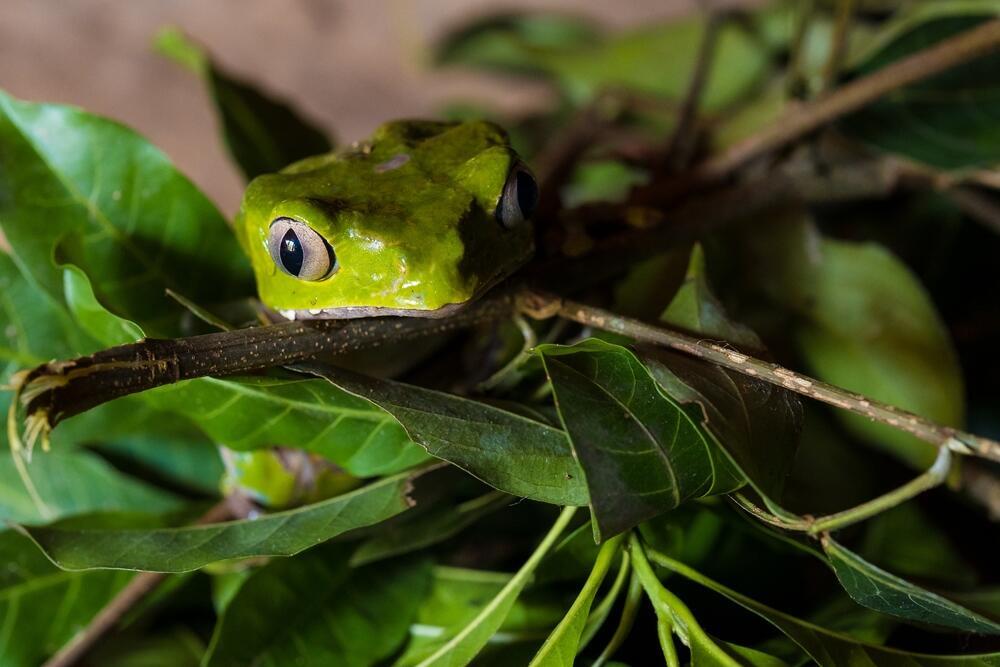
The frog
(Photo: Shutterstock)
Then, she says, everything shifts. ‘After everything is expelled, the body calms down. Within about 15 minutes, you enter a deep sense of peace. That calm can stay with you for days.’ She repeats the ritual once every year or two. ‘I cannot always put into words what it does, but it does good. You become focused, vital, alive.’ She encourages those considering it not to fear surrender. ‘It’s horrible in the moment, but incredible afterward’
7 View gallery
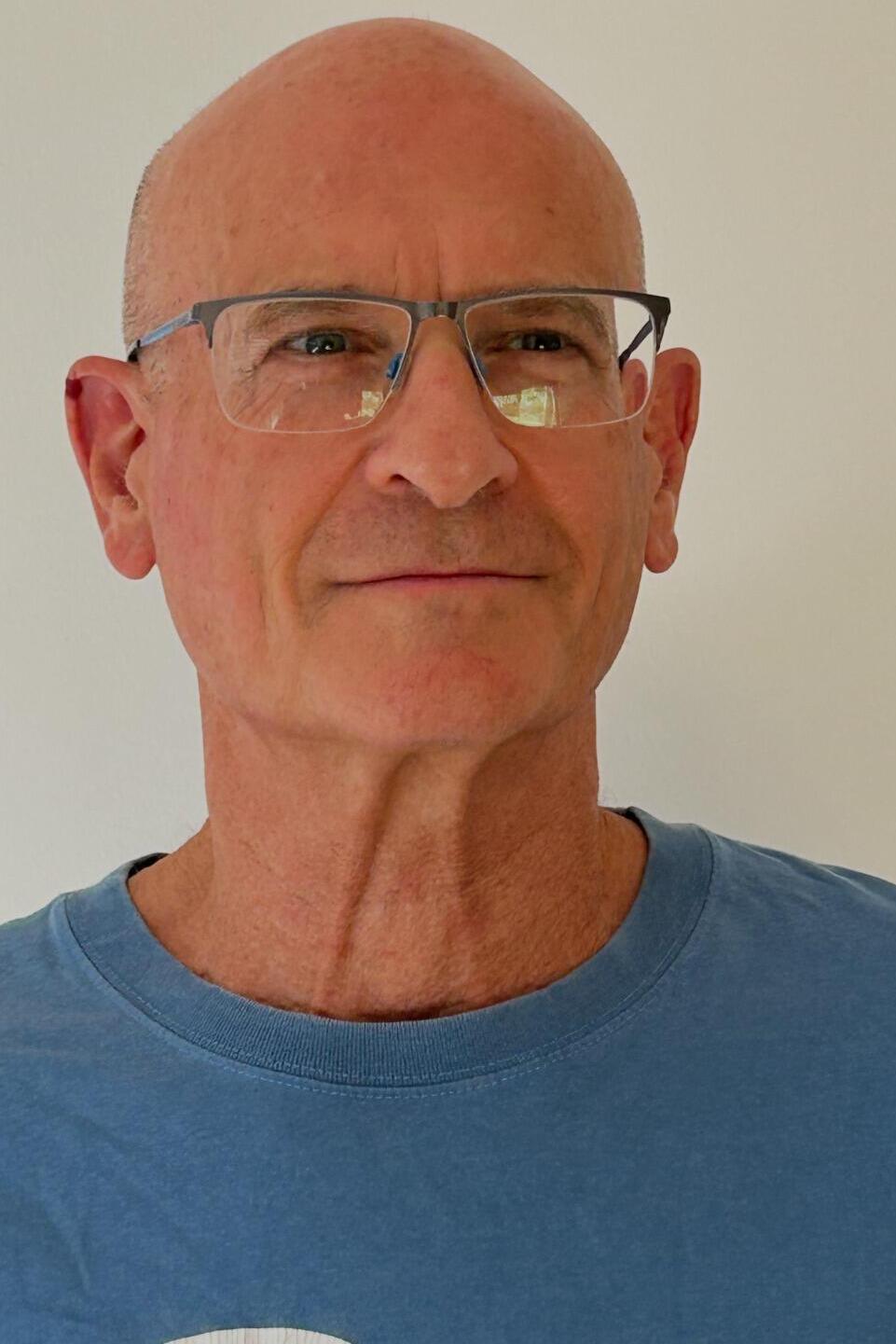
“It’s completely physical, not psychological,” Uri Ran said
(Photo: Private album)
Uri Ran, 66, from Netanya, has undergone no fewer than 45 Kambo ceremonies over seven years. ‘In the moment, it is awful,’ he says. ‘You feel like it is the end of the world. But afterward, something in you already knows you will come back.’ For him, the effect is purely physical. ‘Clarity, energy, sharpness. It upgrades everything.’ He believes the guide leading the ceremony is just as important as the venom itself. ‘There is something beyond. I cannot explain it.’
Would he recommend it? ‘Absolutely. Just choose your guide carefully, and be open. This is not a normal experience. And that is exactly the beauty of it.’
